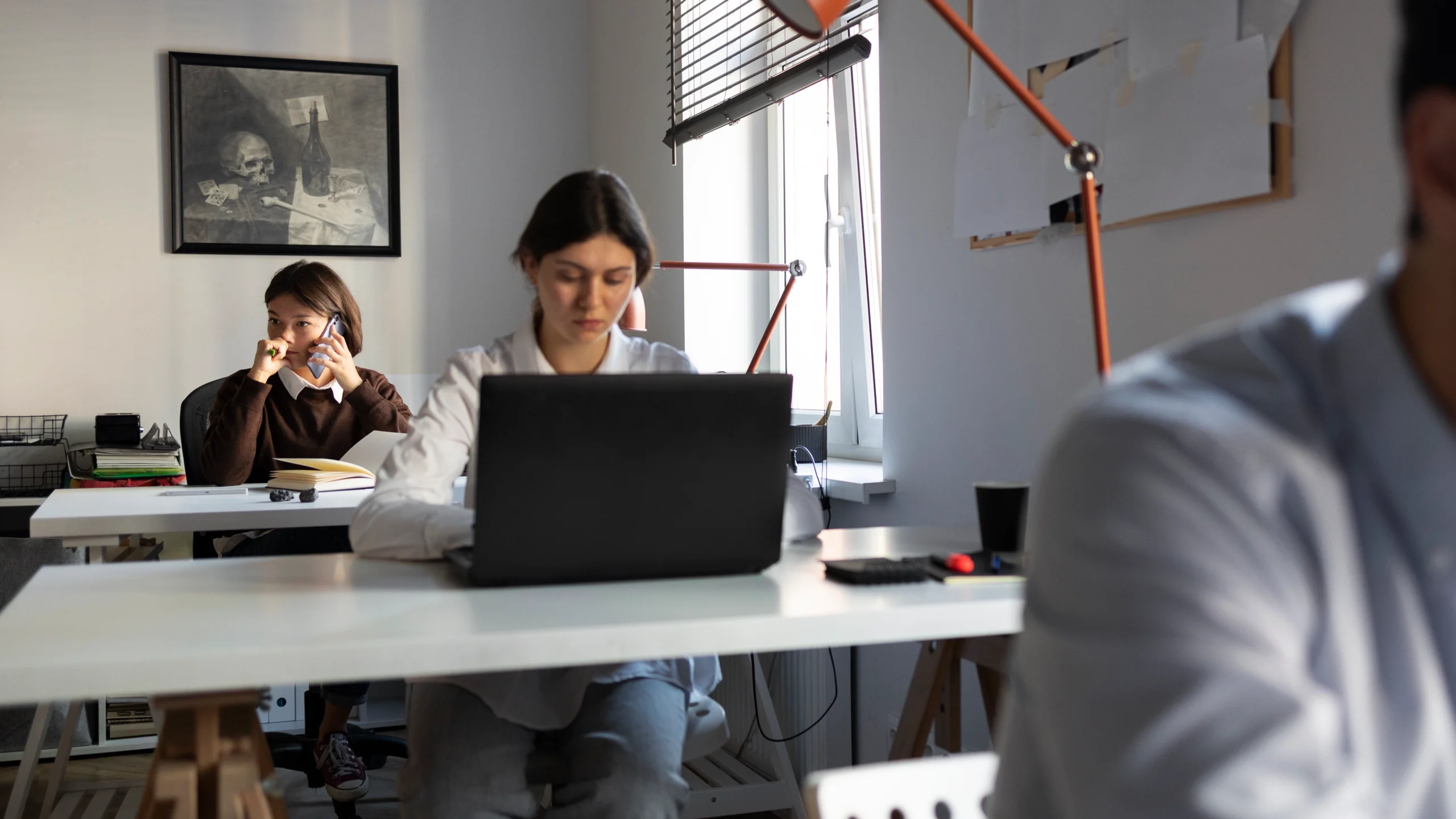
Hybrid schedules and hot-desking have become normal for many Long Island offices. Employees rotate desks, conference rooms fill and empty more often, and shared equipment gets heavier use. That change means cleaning can no longer be an afterthought or a once-a-day chore. A sensible, occupancy-focused cleaning plan keeps people healthy, protects office assets, and helps building managers and landlords maintain tenant satisfaction.
Why hybrid offices need a different plan
Traditional cleaning assumes a predictable pattern: the same person sits in the same place each day. Hybrid work breaks that pattern. Desks and devices see more users in a shorter time, and high-touch surfaces multiply. When cleaning remains on a fixed schedule without regard to actual use, risk windows appear and employees can lose confidence in workplace hygiene. Offices need cleaning plans that respond to how the space is used, not just to a clock.
High priority areas to focus on
Start by identifying the spots that matter most. These are the places where germs travel quickest or where wear and tear shows first.
Hot desks and workstations, including keyboards, mice, monitors and docking stations.
Conference rooms, meeting-table touchscreens, remote controls, whiteboard markers and chair arms.
- Shared tech such as headsets, shared laptops, tablets and printers.
- Kitchen and break areas, including refrigerator doors, microwave interiors, coffee machines and sink handles.
- Entrances, badge readers, elevator buttons, and reception counters.
- Restrooms and any client-facing spaces where impressions matter.
Match cleaning frequency to occupancy
Instead of one-size-fits-all schedules, use occupancy patterns to set cleaning frequency. That saves time and targets risk.
Daily essentials
Every office still needs core daily tasks. Empty trash, sanitize restrooms, clean kitchen counters and keep public walkways tidy. Client-facing areas should be refreshed daily to protect impressions.
Multiple-times-a-day tasks
High-traffic moments require extra attention. Wipe down badge readers, entry handles and elevator buttons during peak commuter hours. Clean and disinfect meeting tables and shared tech between back-to-back meetings when possible. Spot-clean spills and wet floors immediately to reduce slip hazards.
Weekly and deeper work
Once a week, do targeted deeper cleaning for carpets and upholstery in heavy-use zones. Dust vents and high surfaces, and clean inside communal appliances. Monthly and quarterly schedules should include full carpet extraction, hard floor machine scrubbing and HVAC filter inspections based on building usage.
Use the right methods for different surfaces
Electronics, soft seating and hard floors all need different care. Matching method to surface prevents damage and improves results.
Electronics and shared tech
Use manufacturer-approved cleaners or alcohol-based wipes safe for electronics. Avoid excess moisture and abrasive cloths. For headsets and small shared items, consider a dedicated sanitizing station or a UV cabinet for rapid disinfection.
Soft surfaces
Use steam cleaning or EPA-registered disinfectants that are compatible with fabrics. Vacuum with HEPA filtration to reduce dust and allergens and to protect indoor air quality.
Hard floors and entry mats
Protect floor finishes with pH-appropriate cleaners. Install heavy-duty matting at entrances to capture dirt and moisture before it spreads. Schedule stripping and resealing for vinyl or tile floors based on foot traffic rather than a fixed calendar.
Tie cleaning to technology and bookings
Technology can remove guesswork and improve responsiveness. Simple integrations drive cleaner results.
Booking system triggers
Connect cleaning alerts to your room and desk booking systems so a quick clean happens after heavy use or before a new team arrives. Use QR check-ins or calendar hooks that notify the cleaning crew automatically.
Occupancy sensors and analytics
Install sensors to see which desks and rooms are used most. That data helps direct cleaning staff to where they are needed and lets managers justify changes in frequency and staffing.
Make rapid response part of your system
Hybrid offices need a fast way to handle spills, contamination or forgotten food. Rapid response reduces downtime and prevents small problems from becoming big ones.
Frontline carts and supplies
Keep a stocked frontline cart for quick disinfecting of high-touch areas. Place disinfectant wipes, hand sanitizer and microfiber cloths near shared zones so employees can act when needed.
Reporting and on-call staff
Set up a reporting channel so employees can flag dirty areas for immediate action. Train on-call facility staff to perform quick turnarounds between shifts or meetings.
Train employees and set expectations
Cleaning works best when everyone contributes. Clear policies and small habits make a big difference.
Employee habits
Encourage simple actions like wiping down keyboards and mice before leaving a desk, clearing personal items at the end of the day and using provided wipes for shared devices. Promote a clear-desk policy to make cleaning faster and more reliable.
Janitorial training
Train janitorial teams on safe cleaning methods for electronics and soft surfaces. Make cleaning schedules visible so employees understand when deep cleaning happens and when spaces are ready to use.
Communicate and measure results
Transparency builds trust. Share what you are doing and show the impact.
Visible schedules and supplies list
Post cleaning schedules in common areas and list the products used so employees and tenants know the plan and the safety approach.
Track outcomes
Measure sick-day trends, cleaning response times and tenant satisfaction scores. Use those numbers to refine the program and to show the return on investment in cleaning.
Why a commercial cleaning partner helps
Cleaning a hybrid office well requires flexibility, experience with shared technology and the right equipment. A commercial cleaning partner brings occupancy-based plans, rapid response teams and documented procedures that align cleaning with how the space is used. They can offer reporting and data-driven adjustments so the service evolves with the workplace.
Hybrid work and hot-desking change how offices should be cleaned. The solution is simple: focus on high-touch areas, match frequency to occupancy, use appropriate methods for different surfaces, and make rapid response and clear communication part of the plan. For Long Island office managers and landlords, a tailored cleaning program protects employee health, preserves assets and helps keep tenants and clients satisfied.
Hybrid Office Cleaning FAQs
Hybrid offices are used unevenly, so cleaning works best when it follows occupancy rather than a fixed checklist. Shared desks, conference rooms and common areas that see the most people need more frequent attention, while rarely used zones can be cleaned less often. Booking data and attendance patterns help set that schedule.
Shared desks should be wiped down between users or at least daily on days they are occupied, because several people may use the same surface, keyboard and chair in a short period. Providing wipes for employees and having the cleaning team cover desks every evening keeps hot desks ready for the next person.
Use products and methods that are safe for electronics, such as pre-moistened wipes applied lightly rather than sprays, and power devices down first when possible. Small shared items like headsets can be handled at a sanitizing station. Following the equipment manufacturer’s cleaning guidance avoids damaging devices.
DeLuca Cleaning Systems crafts customized service plans around each facility’s cleaning and logistical requirements. If your office runs a hybrid schedule, share your in-office days and busiest areas during a free estimate so the plan can focus effort where and when it is needed.
Call for a Free Quote: 631-422-0182-